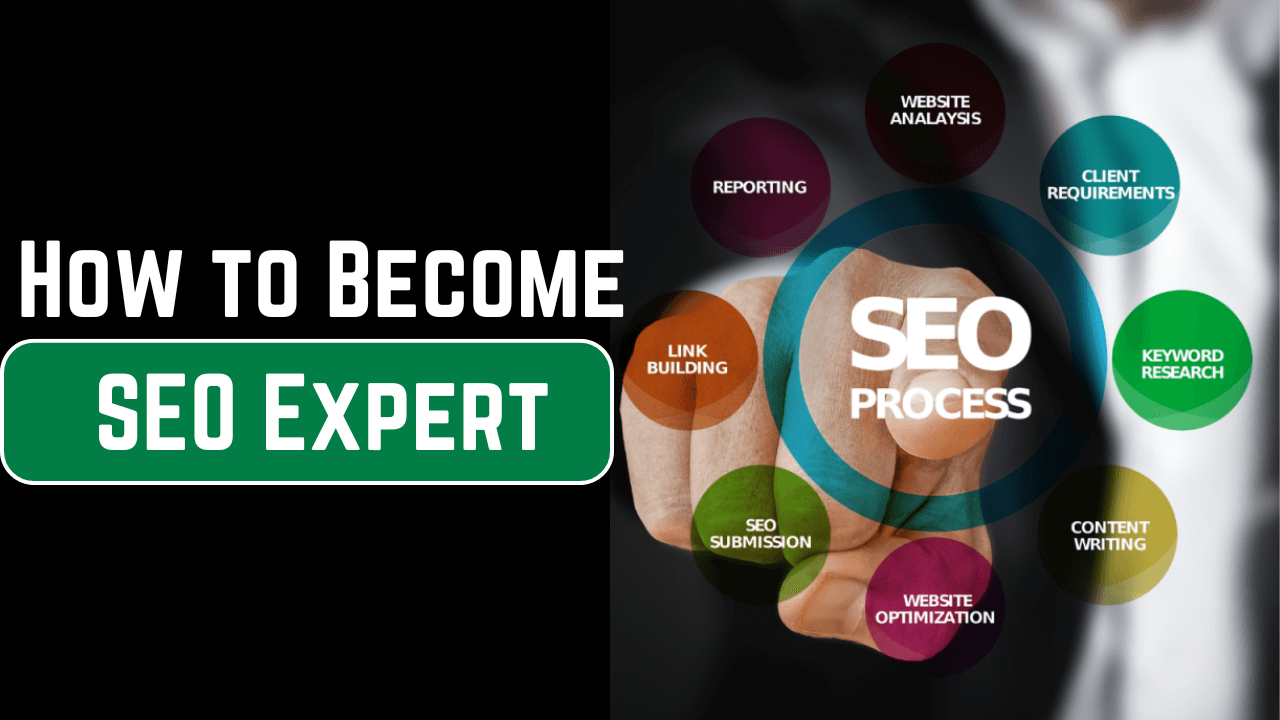

Search Engine Optimization (SEO) is one of the most sought-after skills in the digital age. In the quest for online presence, businesses are increasingly relying on SEO expertise to drive organic traffic, improve search engine rankings, and increase revenue. The year 2024 has brought about changes in the search engines with AI and new algorithms, and SEO skills should be a mix of technical know-how, creativity, and adaptability.
If you’re interested in becoming an SEO expert in 2024, this article will explain the key skills, tools, and steps required to stand out in this dynamic landscape.
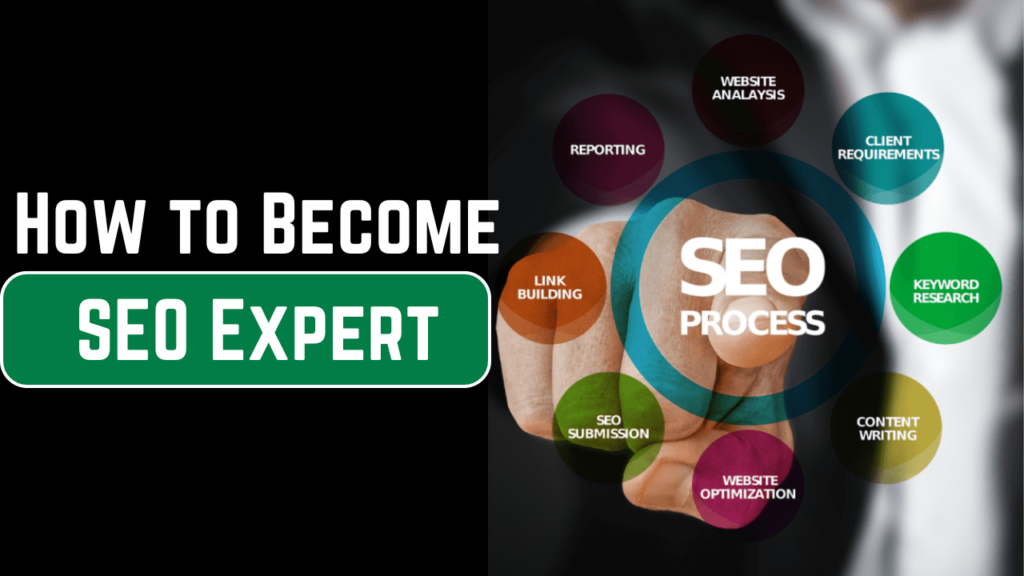
Steps to Become an SEO Expert in 2024
| Step | Action | Why It’s Important |
|---|---|---|
| Learn SEO Fundamentals | Understand how search engines work | Builds a strong foundation for advanced concepts |
| Master Keyword Research | Use tools like Ahrefs and SEMrush | Identifies target audience needs |
| Understand On-Page SEO | Optimize content, meta tags, and headers | Improves page rankings and user experience |
| Focus on Technical SEO | Optimize site speed, mobile-friendliness | Ensures website is crawlable and indexed |
| Develop Content Strategies | Create high-quality, engaging content | Drives organic traffic and user engagement |
| Build Backlinks | Earn links from authoritative websites | Boosts domain authority and credibility |
| Stay Updated on Trends | Follow industry blogs and Google updates | Adapts to algorithm changes |
| Practice with SEO Tools | Use tools like Google Analytics and Screaming Frog | Streamlines analysis and implementation |
| Measure and Analyze | Monitor performance with SEO metrics | Improves strategies based on data insights |
| Network with Experts | Join communities and attend events | Gains insights and builds professional relationships |

1. Learn SEO Fundamentals
Begin with the foundational concepts of SEO: knowing how search engines work through crawling, indexing, and ranking. Be familiar with keyword concepts, SERPs, ranking factors, and more. Understanding SEO fundamentals gives one a solid foundation to more advanced skills and strategies.
Key Actions:
- Explore Google’s SEO Starter Guide.
- Learn about search engine algorithms and ranking signals.
- Understand white-hat SEO practices to avoid penalties.
2. Master Keyword Research
Keyword research is the backbone of any SEO strategy. It will help you know the terms that your target audience uses to find content or products. Good keyword research ensures that your content aligns with the user searches, thus bringing in relevant traffic to your site.
Key Actions:
- Use tools like Ahrefs, SEMrush, and Google Keyword Planner.
- Identify high-volume, low-competition keywords.
- Focus on long-tail keywords to target specific user intents.

3. Understand On-Page SEO
On-page SEO refers to optimization on a per-page basis. The technique improves search engine visibility and user experience, hence the chances of achieving a higher rank. It comprises elements such as content, meta tags, headers, and links.
Key Actions:
- Write high-quality, keyword-optimized content.
- Use descriptive meta titles and compelling meta descriptions.
- Optimize header tags (H1, H2) and include keywords naturally.
4. Focus on Technical SEO
Technical SEO ensures that search engines can effectively crawl and index your site. This includes ensuring site speed, mobile friendliness, and structured data. Without adequate technical SEOs, your site is likely to battle ranking rankings regardless of the content.
Key Actions:
- Improve site speed with tools like Google PageSpeed Insights.
- Ensure mobile responsiveness using a responsive design.
- Create and submit an XML sitemap to Google Search Console.

5. Develop Content Strategies
Content is king in SEO. Sourcing high-quality, well-crafted, and relevant information for their audience is part of how one can drive traffic and build authority. Quality content attracts organic traffic, keeps users engaged, and encourages backlinks.
Key Actions:
- Write blog posts, guides, and tutorials that answer user queries.
- Use multimedia like videos, images, and infographics to enhance content.
- Regularly update old content to keep it relevant.
6. Build Backlinks
Backlinks coming from authoritative websites signal that your content is trustworthy and valuable. This remains one of Google’s top-ranking factors, which enhances your credibility and visibility.
Key Actions:
- Reach out to bloggers and influencers for collaborations.
- Create shareable content like infographics or research reports.
- Leverage guest blogging to earn quality backlinks.

7. Stay Updated on Trends
SEO is constantly evolving with algorithm updates, AI advancements, and new tools. The more informed you are, the more competitive you will be. Staying updated ensures that you can adapt your strategies to remain effective in a changing landscape.
Key Actions:
- Follow industry leaders like Moz, Search Engine Journal, and Google’s blog.
- Experiment with AI-driven tools like ChatGPT for SEO.
- Adapt strategies based on algorithm changes.
8. Practice with SEO Tools
SEO tools make optimization much simpler and more effective by providing insights into performance and issues that can be identified. Knowledge about SEO tools makes it possible to implement strategies more efficiently and accurately.
Key Actions:
- Use Google Analytics to monitor traffic and behavior.
- Leverage Screaming Frog for technical SEO audits.
- Use Yoast SEO or Rank Math for on-page SEO guidance.

9. Measure and Analyze
Measuring SEO efforts ensures that strategies work and that areas of improvement are identified. Data-driven decisions lead to continuous improvement and better SEO outcomes.
Key Actions:
- Track metrics like organic traffic, bounce rate, and conversion rate.
- Monitor keyword rankings using tools like Ahrefs.
- Adjust strategies based on performance data.
10. Network with Experts
Building connections with other SEO professionals can give you great insights, tips, and opportunities for growth. Networking opens doors to collaborations, mentorships, and the latest industry knowledge.
Key Actions:
- Join SEO communities on LinkedIn or Reddit.
- Attend SEO conferences and webinars.
- Engage in discussions and share your knowledge.

Conclusion
To become an SEO expert in 2024, you will need dedication, continuous learning, and hands-on practice. By mastering the fundamentals, staying updated on trends, and leveraging powerful tools, you can build a successful career in this dynamic field.
It’s a very rewarding journey toward SEO expertise and provides a great opportunity to make an impact in the digital marketing space. It is also suitable for a beginner looking to improve his skills, following this comprehensive guide that sets you on the path to success.
Frequently Asked Questions (FAQs)
How long does it take to become an SEO expert?
With consistent learning and practice, you can gain proficiency in 6–12 months.
Can I specialize in a specific area of SEO?
Yes, you can focus on areas like technical SEO, content marketing, or link building.
How do I stay updated on SEO trends?
Follow blogs like Moz, Search Engine Journal, and Google’s Webmaster Central Blog.
Is coding necessary for SEO?
Basic knowledge of HTML and CSS is helpful but not mandatory.
Which tools are essential for SEO beginners?
Tools like Google Analytics, Ahrefs, and Yoast SEO are great for beginners.